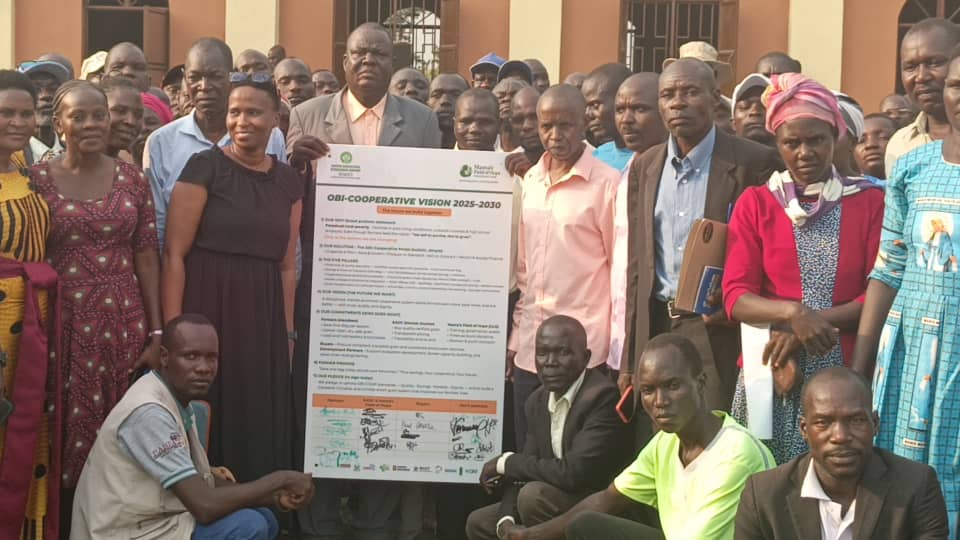
In Kapelebyong, a quiet economic transformation is underway as development partners intensify support for farmer cooperatives, strengthening food value chains and opening up new market opportunities.
Central to this change is the Eastern Agricultural Development Company (EADC), whose interventions are providing a lifeline for thousands of smallholder farmers.
For decades, farmers here struggled with unstable markets, exploitation by middlemen, limited access to quality inputs, and low productivity, leaving incomes unpredictable and agriculture unattractive to younger generations.
Today, cooperatives are reshaping this landscape, enabling farmers to bargain collectively, secure fair prices, and access structured markets.
“The cooperative has helped us realise the true value of our sweat,” says Angela Opio, a maize and green gram farmer.
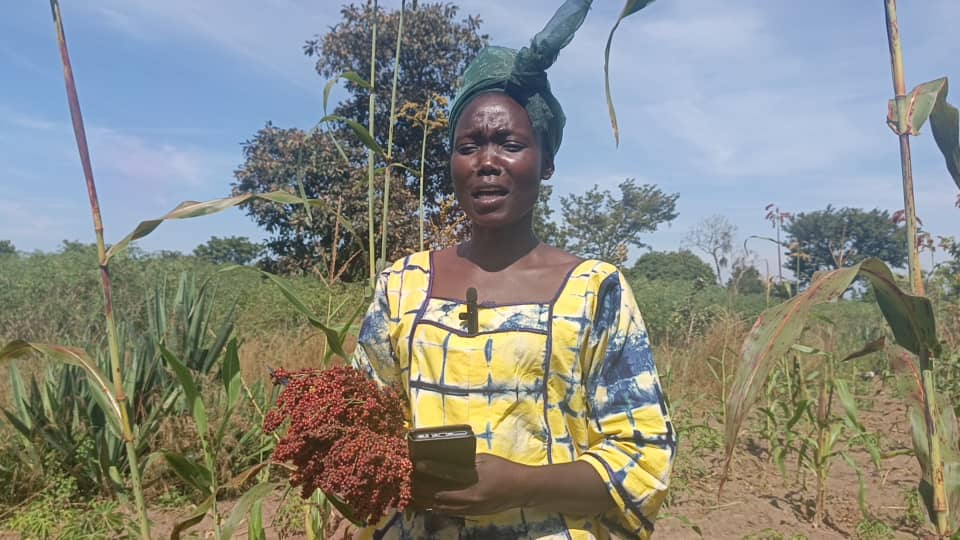
Before joining the cooperative, Opio sold produce at giveaway prices to avoid losses from poor storage or market unpredictability.
“Today, we know who we are selling to, and at what price. It gives us dignity.”
Similarly, Simon Peter Okalany, a sorghum and soya grower, says cooperatives have restored hope for farmers who once felt trapped by middlemen.
“Middlemen used to exploit us because they knew we had no choice. But now, with structured markets and partners who understand our struggles, farming is finally paying off,” he says.
A key element of the revival is crop specialisation. Cooperatives encourage members to focus on specific products, achieving economies of scale, improving quality, and meeting standards demanded by large buyers.
This also allows farmers to negotiate contracts before harvest, reducing uncertainty.
Much of the renewed energy is credited to development partners, particularly EADC.
Through its OBI Cooperative Vision 2025–2030, the company has launched a five-year programme to strengthen farmer groups, enhance value addition, and integrate rural communities into a modern monetary economy.
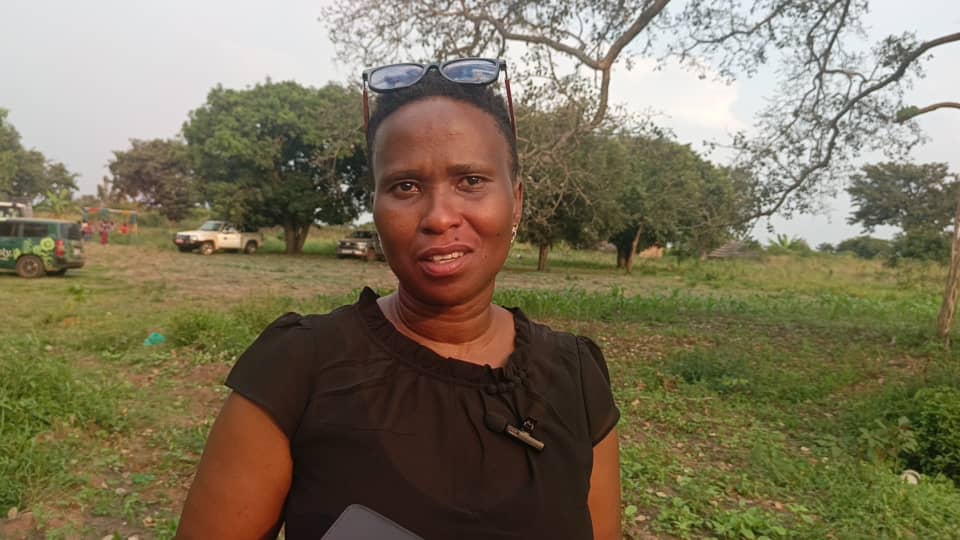
“Our goal is to transform cooperatives into engines of rural development,” says Sheila Alum, director at EADC.
“We address gaps in production, aggregation, storage, and market access. Empowered at every stage of the value chain, farmers can compete both locally and internationally.”
EADC’s impact is visible across the district: cooperatives now have modern storage facilities, training in agronomy, financial literacy programs, and connections to reputable buyers, reducing post-harvest losses and stabilizing incomes.
Local leaders say these interventions are elevating agriculture from a subsistence activity to a commercially competitive venture.
“The model is a game changer,” says Richard Enyagu, a Kapelebyong councillor. “If fully supported, it will turn our district into a thriving agricultural zone. Government should take note and strengthen these partnerships.”
Farmers themselves are optimistic. Ilaat Juliet, a mother of five, says the cooperative has allowed her to pay school fees without stress and save for the first time.
“I don’t fear the market anymore. We now produce with confidence because we know someone is waiting to buy,” she says.
Across Kapelebyong, increased incomes, reduced exploitation, and renewed enthusiasm signal a broader cooperative-driven revival.
As Uganda pushes toward a modernized agricultural economy, the work of EADC and other development partners provides a blueprint for rural transformation.
The challenge now is sustaining momentum, scaling the model, and aligning government policy with the ambitions of farmers striving for economic independence.
If Kapelebyong is any indication, the cooperative revolution in rural Uganda is only beginning.